New zealand rodeo in the media
Lynn Charlton’s is well-known in rodeo circles.
Not because of her skills on a horse, but the decade she’s spent protesting the “abusive and cruel nature” the sport displays.
In that time, Charlton says she has been called every name under the sun, threatened verbally and through private messages on social media, and has been physically grabbed at venues.
But the animosity she’s experienced hasn’t dampened her drive. “I won’t stop until rodeo stops.”
Lynn Charlton’s is well-known in rodeo circles.
Not because of her skills on a horse, but the decade she’s spent protesting the “abusive and cruel nature” the sport displays.
In that time, Charlton says she has been called every name under the sun, threatened verbally and through private messages on social media, and has been physically grabbed at venues.

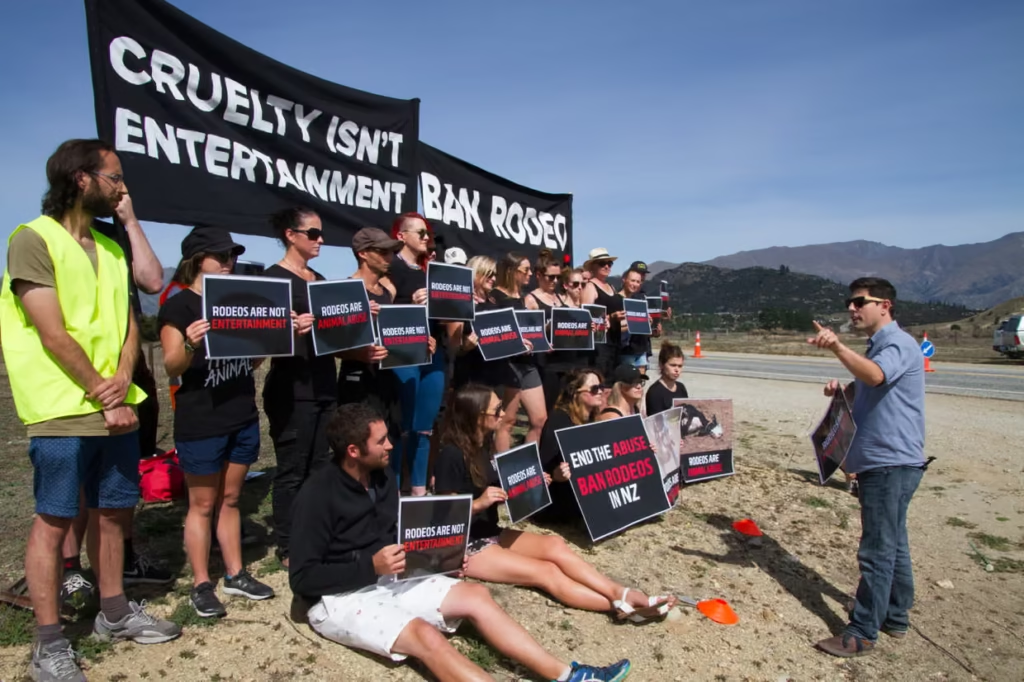
Rodeo season has got off to a rocky start in New Zealand, with protest numbers swelling outside events around the country.
Around three dozen protesters chanted outside the Wanaka rodeo in the South Island on Thursday – “there’s no excuse for animal abuse” – calling for an end to the sport, which they say is cruel and demeaning to the animals.
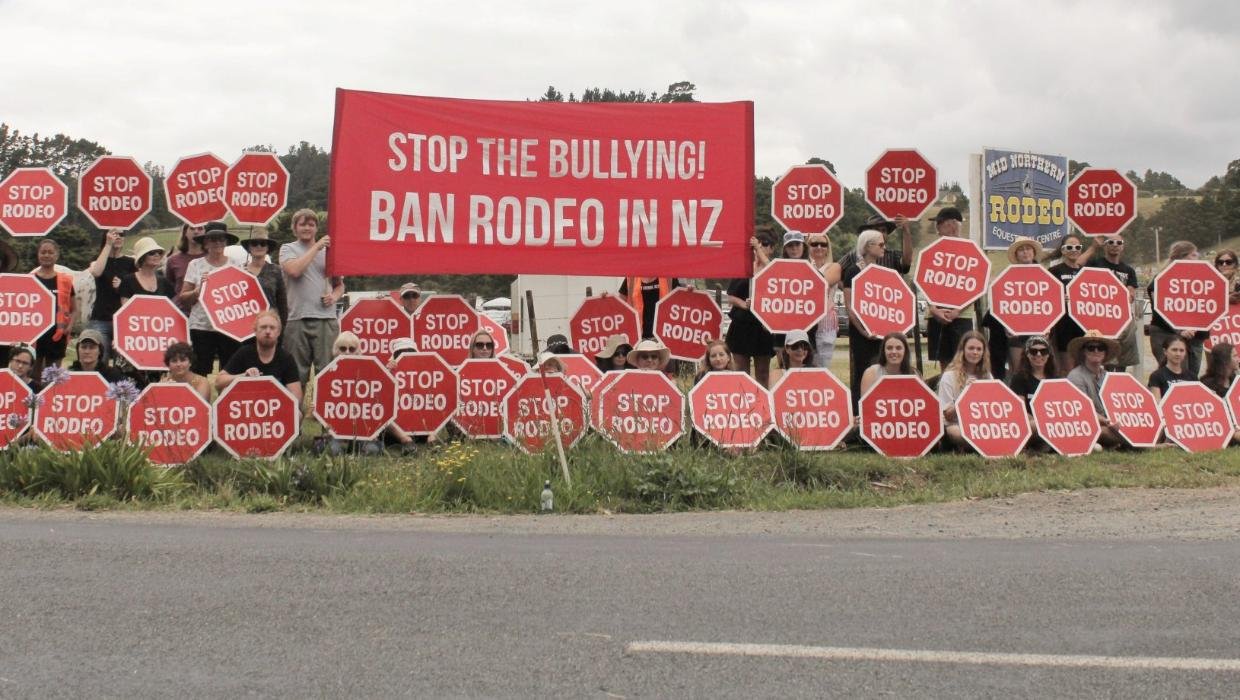
Around 100 protesters also turned out at Warkworth rodeo near Auckland calling for a council ban.
Associate Agriculture Minister for animal welfare Andrew Hoggard opened the event, and said it was important to be involved with the industry to better understand the measures to protect animal welfare on the ground.
"I thought it was a really good day and a good opportunity for rural areas to come together," he said.
"I was really impressed with the actions around animal welfare."
Hoggard said there was only a scratch to a horse at the final event.
But he said two confirmed deaths had occurred at rodeo this season and possibly one more following an earlier rodeo event with "no obvious injury" found.

“This isn’t an issue of town versus country, or rural versus urban; this is quite simply between right and wrong,” says Green party MP and animal welfare spokesperson Gareth Hughes.
Hughes has never attended a rodeo, but has seen “disturbing” footage from inside. “Rodeo only works because animals are scared, and showing a fear response or in pain – which I think has no place in modern New Zealand.”
In the last few years major New Zealand businesses such as Foodstuffs, Meridian Energy and House of Travel have withdrawn their sponsorship from rodeo events over animal welfare concerns.
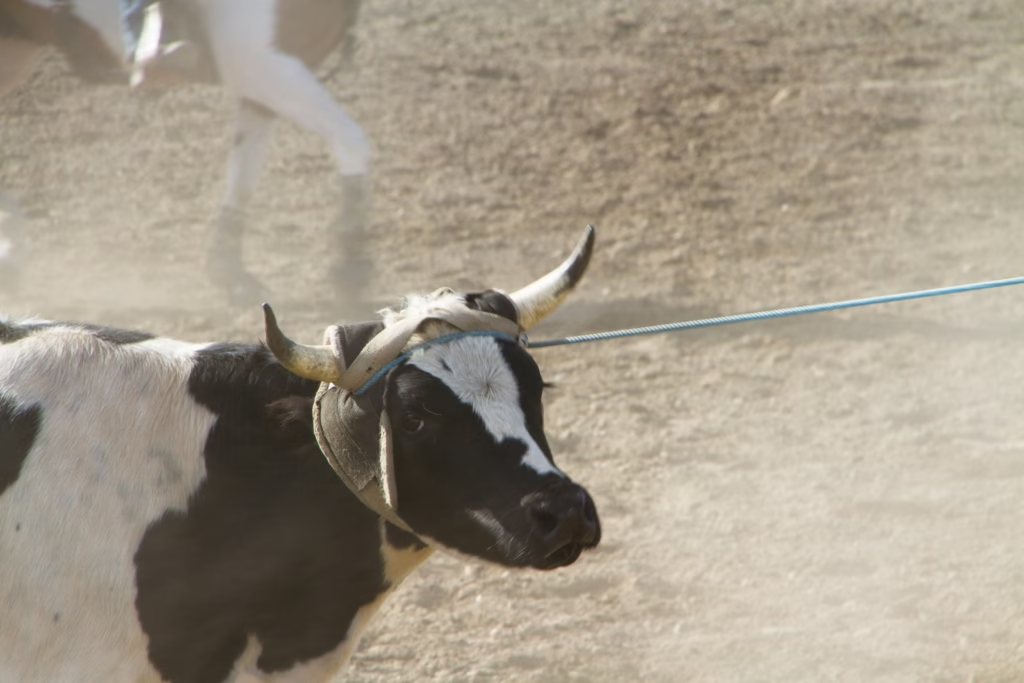
So the NZRCA contracted Laws and appointed Cocks around the same time. Rodeo people had been losing a public relations war against metropolitan journalists who Laws believes start with "hostile" anti-rodeo views and animal welfare groups like Safe who circulate slick, shocking, well-edited videos of calves being roped or horses and bulls looking traumatised.
Heartstrings are tugged and people who would not know one end of a steer from the other become instantly persuaded that rodeo is cruel, heartless and inhumane. Calf roping, known as rope and tie, is the event that upsets people the most.
"People see the link, a young animal like a baby," Taito says. "They think of their pets and their children. That would be the main thing the New Zealand public would like to end."